Why we do not sell mystery bags.
Not knowing what you are buying is an enjoyable mechanic occasionally and a poor foundation permanently.
Mystery formats are genuinely clever. They let a merchant list without deciding contents in advance, they make surplus effortless to publish, and the surprise is part of the appeal for a certain kind of customer.
The problem is repeat behaviour. A person deciding dinner at half past nine has constraints: someone at the table dislikes fish, the kids will not eat spice, tomorrow is a work day. A sealed bag cannot answer any of that, so it gets bought as an experiment rather than as a meal.
Surprise is a feature you can enjoy twice a month. Dinner is a decision you make five nights a week.
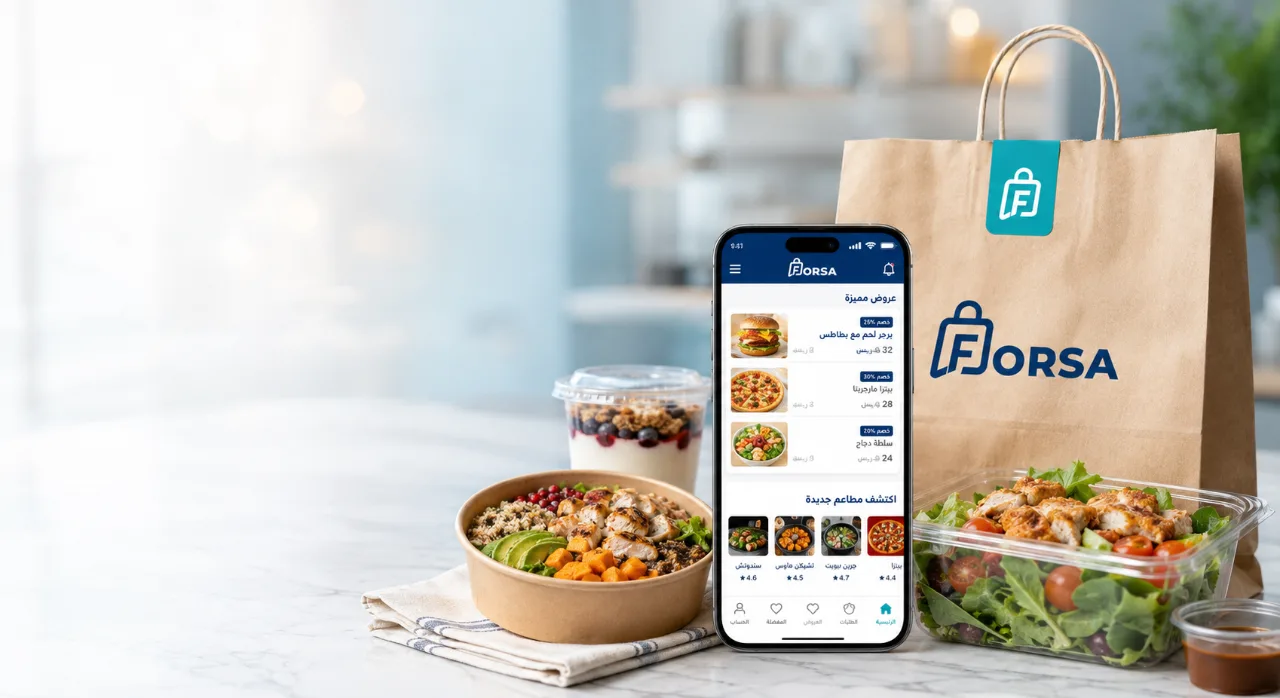
So Forsa listings name the item, the merchant, the quantity remaining and the window. A surplus offer on Forsa is a specific tray of specific food at a specific time — discounted deeply because the alternative is disposal, not because it is anonymous.
Merchants gain from this too. A named listing carries their reputation and brings people back at full price. An unnamed one moves stock and teaches a customer nothing about the kitchen it came from.